Buying guides
Robotic Screwdriving in India: Cell Cost and Cycle Time
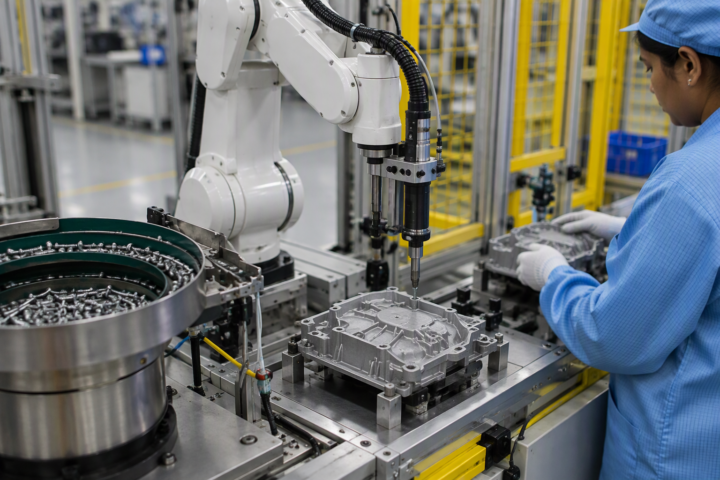
Most screwdriving projects do not need a robot. Here is the cost of both options, the cycle-time arithmetic, and the cases where…
Learn
Plain-English tutorials that build on each other: a pin, a sensor, a control loop, a node. Written for people who have to make the robot move.
Everything here is written to be used on a bench, not admired on a slide. Each guide answers one question a builder actually hits: why the servo browns out the board, why the sensor reading jumps, which board to buy with ₹3,000, what an examiner expects in the report. Prices are planning ranges in rupees, and every build sheet says what it has not tested. These robotics tutorials are written to be used on a bench, and each one answers a single question builders hit.
These guides cover the industrial side: what a robot cell costs in India, what a safety audit has to test, and what a maintenance contract or insurance policy actually covers.
Every article is reviewed against manufacturer datasheets and current Indian listings, then dated. Nothing on this site claims a physical build test unless the article says so and shows the evidence. If a guide conflicts with a datasheet or a safety standard, the datasheet wins — see the editorial standard for the full process.
If you have never powered a motor, read the power guide and the battery guide before buying a driver. If you have a project deadline, read the final-year project list and the report format together; the build is only half the marks. If you are choosing a branch specialisation, start with the careers guide and then build one project from the library so the interview has something concrete to discuss.
Building a machine for a factory rather than a bench? The industrial robotics guides apply the same engineering discipline at plant scale: specifying the robot, commissioning the cell and proving it is safe.
No. The site has a guide to learning the control logic and code without buying parts first, so you can start with a simulator or an emulator and buy components once you know what the build needs.
Most beginner projects here use an Arduino Uno or an Arduino Nano, because the parts are cheap and widely documented in India. Move to an ESP32 when you need WiFi or faster processing.
Each project page lists its parts with rupee prices, so you can cost a build before ordering anything.
The guides set out a parts list, the wiring and a test that proves the build works, which is the evidence most submissions are marked on. Check your department requirements before you rely on them.
Buying guides
Most screwdriving projects do not need a robot. Here is the cost of both options, the cycle-time arithmetic, and the cases where…
Buying guides
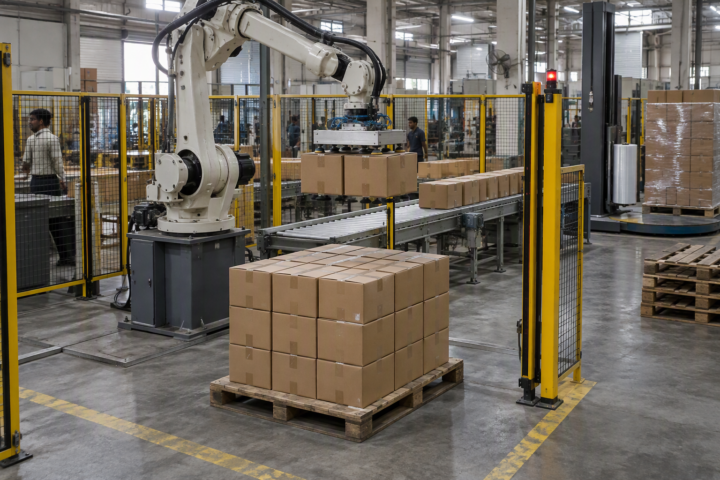
The three numbers that decide a palletizing cell — payload, reach and cycle time — with worked examples, the four machine types,…
Buying guides
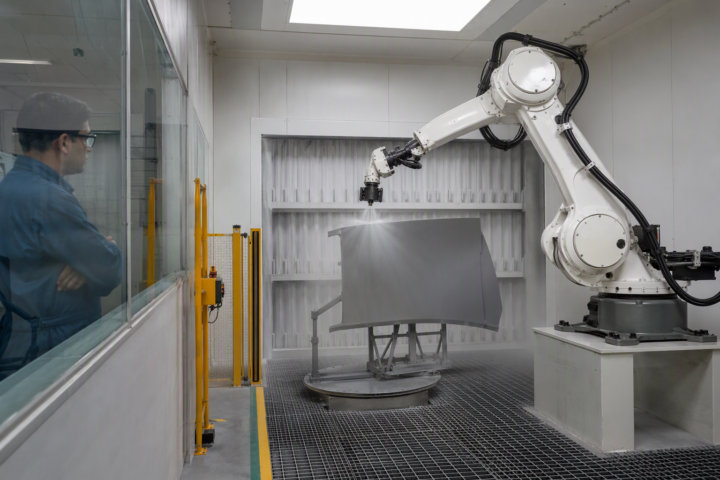
A painting robot quote covers two purchases: the arm and the cell around it. Here is what each line costs in India,…
Tutorials
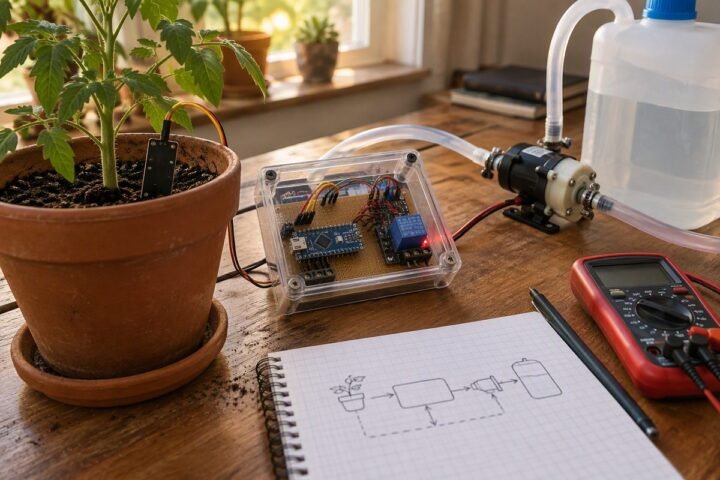
Build an automatic plant watering system with Arduino for ₹1,300-3,000: a real Indian BOM, calibration method, wiring and five failure modes with…
Tutorials
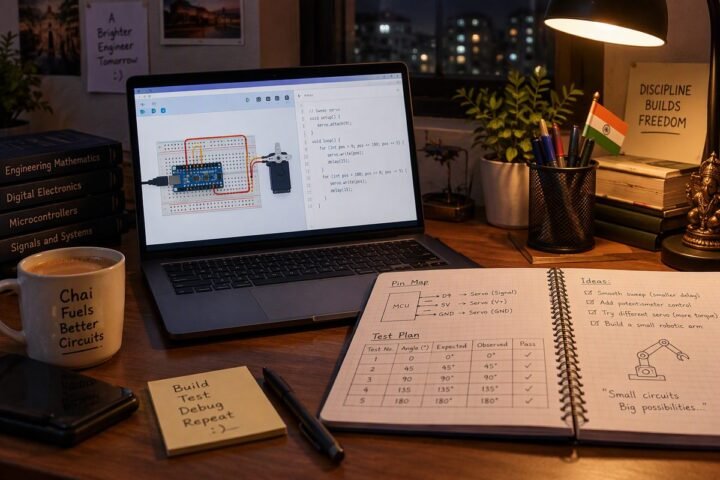
No board, no lab and no budget: use Tinkercad Circuits and Wokwi to learn Arduino logic, then turn the simulation into evidence…
Tutorials
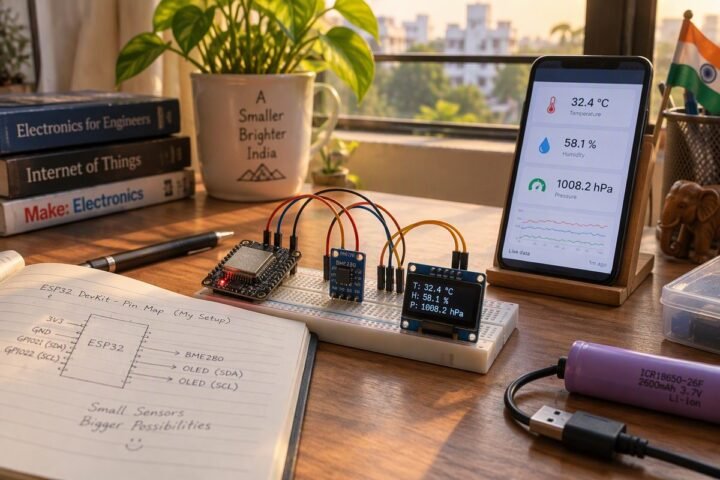
Twelve ESP32 project ideas with rupee bills of materials, the parts list, the failure that kills each build and one upgrade worth…
Careers
Assess readiness for independent automation advisory work: service scope, evidence, deliverables, contracts and business responsibilities.
Tutorials
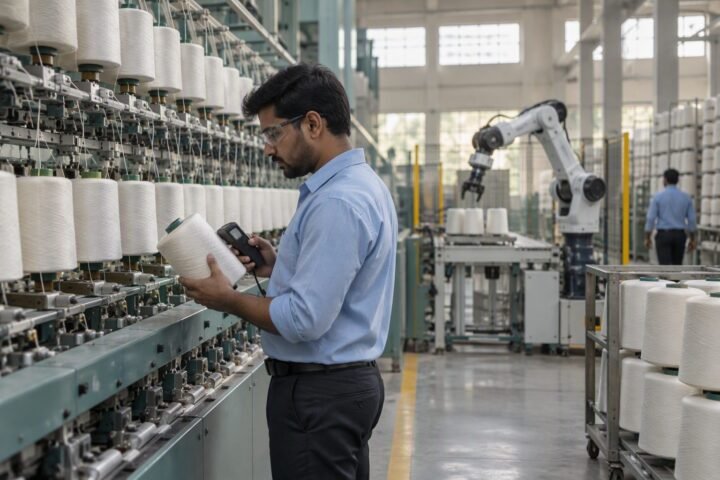
Assess textile automation by bottleneck, material handling, inspection and retrofit constraints, with an explicit example payback model.
Buying guides
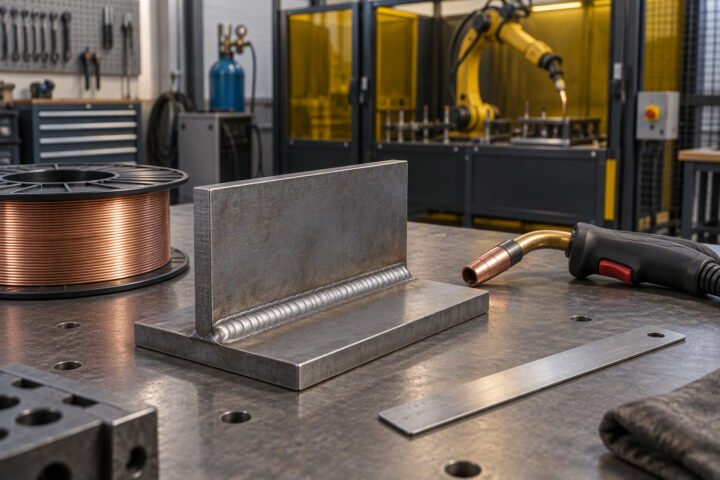
Calculate weld geometry, consumables and productive time, then add setup, inspection and rework to estimate cost per accepted metre.
Buying guides
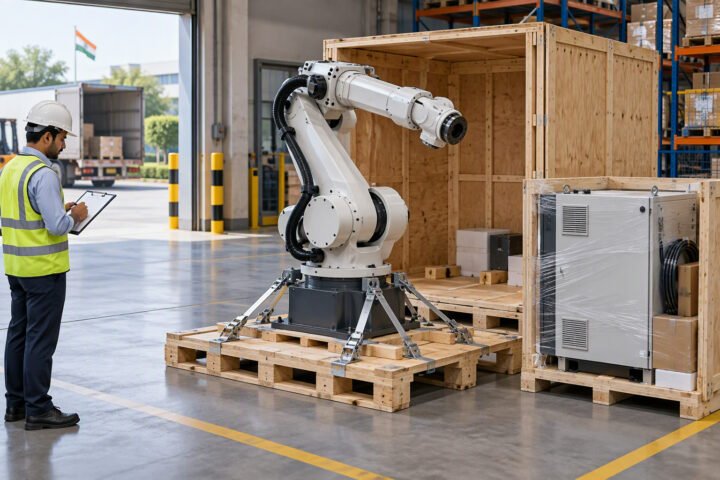
Plan robot availability, dispatch, integration and production readiness. Identify dependencies and ask suppliers for dated commitments.